Proctology in Greece provides access to specialized medical care for conditions affecting the anus, rectum, and surrounding tissues. With advances in surgical techniques and minimally invasive procedures, patients can explore a range of treatment options tailored to their diagnosis, symptoms, and individual needs.
Common conditions such as hemorrhoids, pilonidal cysts, anal fistulas, and anal fissures require accurate diagnosis and an individualized approach to treatment. Modern proctology combines established surgical methods with innovative techniques, including laser-assisted procedures, aiming to achieve effective outcomes while preserving healthy tissues and normal function.
An essential factor in successful treatment is the expertise of the General Surgeon and Proctologist, who evaluates each condition and determines the most appropriate therapeutic strategy. For both local and international patients, Greece offers opportunities to receive specialized proctological care from experienced surgeons using modern diagnostic and treatment approaches.
What Is Proctology and What Does a Proctologist Treat?
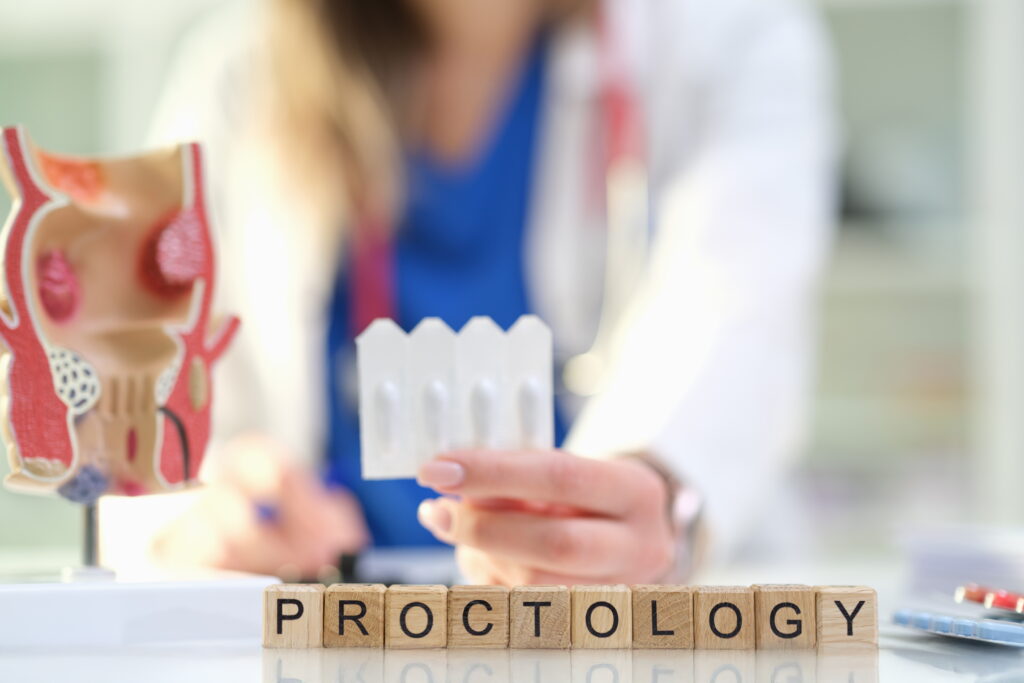
Proctology is a specialized field of medicine focused on the diagnosis and treatment of conditions affecting the anus, rectum, anal canal, and surrounding tissues. It combines clinical assessment, conservative treatments, and surgical techniques to manage a wide range of anorectal conditions.
A General Surgeon and Proctologist plays an essential role in identifying the underlying causes of symptoms and determining the most appropriate treatment for each patient. Depending on the condition, management may involve lifestyle adjustments, medication, minimally invasive procedures, or surgical intervention.
The most common conditions treated by a proctologist include:
Hemorrhoids: Swollen or enlarged hemorrhoidal tissues that may cause bleeding, itching, discomfort, or prolapse.
Pilonidal cysts: A condition typically developing near the tailbone, which may lead to inflammation, infection, or the formation of sinus tracts.
Anal fistulas: Abnormal connections between the anal canal and the surrounding skin, often developing following an anorectal abscess.
Anal fissures: Small tears in the lining of the anal canal that may cause discomfort and bleeding during bowel movements.
Modern proctology in Greece emphasizes accurate diagnosis, individualized treatment planning, and the use of appropriate surgical techniques. Minimally invasive approaches may offer advantages for selected patients, including reduced tissue trauma and shorter recovery periods, depending on the procedure and the complexity of the condition.
The objective of specialized proctological care is not only to address the immediate symptoms but also to support long-term outcomes, preserve normal anorectal function, and improve the patient’s quality of life.
Read also here: Why hair transplant in Greece has become very popular
Common Proctological Conditions and Modern Treatment Options
Modern proctology focuses on the accurate diagnosis and individualized treatment of anorectal conditions, using both established surgical methods and minimally invasive techniques. Although several conditions may present similar symptoms, each requires a different therapeutic approach based on its underlying causes, severity, and anatomical characteristics.
The four most common conditions treated by a General Surgeon and Proctologist include hemorrhoids, pilonidal cysts, anal fistulas, and anal fissures.
Hemorrhoids: Diagnosis and Minimally Invasive Treatments
Hemorrhoids are one of the most common anorectal conditions, developing when hemorrhoidal tissues become enlarged or symptomatic. Patients may experience bleeding during bowel movements, itching, swelling, discomfort, or prolapse, depending on the severity of the condition.
Treatment options range from dietary adjustments and conservative management to minimally invasive procedures and conventional surgery. Modern techniques, including Laser Hemorrhoidoplasty (LHP) and HAL-RAR, may be considered in selected cases, aiming to address hemorrhoidal disease while minimizing unnecessary tissue damage.
The most appropriate approach depends on the hemorrhoid grade, the presence of prolapse, and the patient’s individual clinical characteristics.
For a detailed overview of available procedures, explore Hemorrhoid Treatment in Athens: Best Minimally Invasive Options.
Pilonidal Cyst: Laser and Modern Surgical Approaches
A pilonidal cyst, commonly associated with pilonidal sinus disease, develops in the area near the tailbone, typically within the cleft between the buttocks. The condition may cause inflammation, recurrent infections, or persistent drainage from small openings in the skin.
Modern surgical management includes several approaches, with the selection depending on the extent and complexity of the disease. Minimally invasive techniques, such as SiLaC (Sinus Laser Closure) and endoscopic procedures, may offer advantages for appropriately selected patients, including smaller incisions and potentially faster recovery.
However, recurrent or extensive pilonidal disease may require alternative surgical approaches to achieve effective long-term management.
Learn more about the available techniques in Pilonidal Cyst Treatment in Athens: Laser and Minimally Invasive Options.
Anal Fistula: Specialized and Sphincter-Preserving Techniques
An anal fistula is an abnormal connection between the anal canal and the surrounding skin, often developing after an anorectal infection or abscess. Its treatment requires careful evaluation because the fistula tract may involve the muscles responsible for maintaining bowel continence.
Modern surgical approaches focus on treating the fistula while preserving normal sphincter function whenever possible. Depending on the anatomical characteristics and complexity of the condition, techniques such as FiLaC (Fistula Laser Closure), fistulotomy, seton placement, and other sphincter-preserving procedures may be considered.
Accurate identification of the fistula tract and the surgeon’s experience are particularly important when determining the most suitable treatment strategy.
For further information about available procedures, read Anal Fistula Treatment: FiLaC and Modern Minimally Invasive Techniques.
Anal Fissure: Conservative and Surgical Treatment Options
An anal fissure is a small tear in the lining of the anal canal, commonly associated with discomfort and bleeding during bowel movements. It may develop due to increased pressure within the anal canal or trauma caused by passing hard stools.
Treatment generally begins with conservative measures, including dietary modifications, improved bowel habits, and appropriate medication. When an anal fissure becomes chronic or does not respond to initial treatment, additional therapeutic options may be considered.
These can include botulinum toxin injections or surgical procedures such as lateral internal sphincterotomy, depending on the patient’s clinical findings and continence risk.
The choice of treatment aims to promote healing while preserving normal anal sphincter function and minimizing the likelihood of recurrence.
Discover the different approaches in Anal Fissure Treatment: From Conservative Care to Modern Surgical Options.
Minimally Invasive Proctology in Greece: Benefits and Treatment Selection
Advances in surgical technology have significantly expanded the treatment options available in proctology in Greece, allowing specialists to address various anorectal conditions with techniques designed to minimize tissue trauma and preserve normal anatomical function.
Minimally invasive proctological procedures often involve smaller incisions, targeted treatment of affected tissues, and reduced disruption of surrounding structures. Depending on the condition and the selected technique, these approaches may offer several potential benefits:
Reduced tissue trauma: Targeted surgical techniques aim to preserve healthy surrounding tissues.
Less postoperative discomfort: Selected minimally invasive procedures may cause less discomfort compared with more extensive surgical approaches.
Faster recovery: Some patients may return to their daily activities sooner, depending on the procedure and their individual recovery.
Preservation of normal function: Specialized techniques aim to protect important anatomical structures, particularly the anal sphincter muscles.
Individualized surgical planning: Different treatment options allow the surgeon to select an approach based on each patient’s clinical characteristics.
However, minimally invasive surgery is not automatically the best option for every patient. The effectiveness of each technique depends on the type and severity of the condition, anatomical findings, previous treatments, and the patient’s overall health.
For this reason, the experience of a qualified General Surgeon and Proctologist is essential when evaluating the available approaches. The specialist must consider both the potential advantages and the limitations of each procedure to recommend a treatment that prioritizes safety, functional preservation, and long-term outcomes.
Modern proctological care combines technological developments with clinical expertise, ensuring that treatment decisions are guided by medical evidence and the individual needs of each patient.
Read also here: IVF Greece: Why More International Couples Choose Athens for Fertility Treatment
Why Does the Experience of the Proctology Surgeon Matter?
The experience and specialization of the surgeon play a fundamental role in the diagnosis, treatment planning, and long-term management of anorectal conditions. Although modern medical technologies have expanded the available therapeutic options, successful proctological treatment depends on much more than the surgical technique itself.
A qualified General Surgeon and Proctologist must have a thorough understanding of anorectal anatomy, the characteristics of different conditions, and the indications for each treatment approach. This expertise is particularly important when managing complex cases, recurrent conditions, or diseases involving sensitive anatomical structures.
The surgeon’s role extends beyond performing a procedure. It includes several essential aspects of patient care:
Accurate diagnosis: Identifying the underlying condition through clinical evaluation and appropriate diagnostic examinations.
Individualized treatment selection: Choosing the most suitable approach based on the patient’s anatomy, medical history, symptoms, and disease severity.
Knowledge of modern techniques: Understanding the benefits, limitations, and clinical indications of both minimally invasive and conventional surgical procedures.
Preservation of normal function: Prioritizing the protection of healthy tissues and important anatomical structures, particularly the anal sphincter muscles.
Long-term follow-up: Monitoring recovery, assessing treatment outcomes, and addressing potential recurrence when necessary.
In specialized proctology care in Greece, the combination of surgical expertise, modern treatment options, and personalized medical assessment is essential for delivering appropriate patient care.
Rather than focusing exclusively on a particular technology, an experienced proctology surgeon evaluates the complete clinical picture and recommends a treatment strategy supported by medical evidence.
The expertise of the surgeon is therefore a central factor in selecting the appropriate treatment, helping patients make informed decisions while prioritizing safety, functional preservation, and long-term quality of life.
Read also here: Rhinoplasty in Greece: What to Know Before Choosing a Surgeon
Dr. Dimitrios Mousiolis – General Surgeon and Proctologist in Greece
Dr. Dimitrios Mousiolis, MD, MSc, PhD, is an experienced General Surgeon and Proctologist in Greece, specializing in the diagnosis and surgical treatment of anorectal conditions. He serves as Director of Minimally Invasive Endoscopic Surgery for Rectal and Anal Diseases at Metropolitan General Hospital in Athens.
With extensive surgical experience and specialized postgraduate training in Greece and abroad, Dr. Mousiolis focuses on modern approaches to treating hemorrhoids, pilonidal cysts, anal fistulas, and anal fissures.
His professional training includes advanced proctological techniques acquired through specialized educational programs in Germany, Austria, and Italy. His areas of expertise include:
Laser Hemorrhoidoplasty (LHP) and HAL-RAR for hemorrhoidal disease.
SiLaC (Sinus Laser Closure) and endoscopic techniques for pilonidal disease.
FiLaC (Fistula Laser Closure) and FIXcision for selected cases of anal fistula.
Modern surgical approaches for anal fissures, selected according to each patient’s clinical characteristics.
As a specialized proctology surgeon, Dr. Mousiolis emphasizes accurate diagnosis, individualized surgical planning, and the selection of appropriate treatment techniques based on each patient’s condition.
His approach combines surgical expertise with modern medical technology, prioritizing patient safety, preservation of normal anatomical function, and long-term treatment outcomes.
For more information about his qualifications, clinical experience, and available treatments, visit the official website of Dr. Dimitrios Mousiolis – General Surgeon and Proctologist in Athens.
Proctology in Greece for International Patients
Greece is an established destination for medical tourism, offering international patients access to healthcare facilities, experienced medical professionals, and a range of specialized surgical services. For individuals seeking proctology treatment in Greece, careful medical planning and the selection of a qualified specialist are essential parts of the treatment journey.
Patients travelling from abroad may seek consultations for conditions such as hemorrhoids, pilonidal disease, anal fistulas, and anal fissures. Depending on the diagnosis, treatment may involve conservative management, minimally invasive procedures, or more extensive surgical intervention.
Before travelling to Greece, international patients should consider several important aspects of their medical care:
Specialist consultation: Discussing symptoms, medical history, and previous treatments with a qualified General Surgeon and Proctologist.
Medical evaluation: Determining whether additional examinations or diagnostic imaging are necessary before treatment.
Personalized treatment planning: Understanding the recommended procedure, expected outcomes, and potential risks.
Recovery and accommodation: Allowing sufficient time for postoperative recovery before returning home.
Postoperative follow-up: Establishing a clear plan for monitoring recovery and coordinating further medical care after travelling.
The duration of treatment and recovery varies depending on the condition, surgical technique, and individual patient factors. Therefore, travel arrangements should always be discussed with the treating surgeon before any procedure is scheduled.
For international patients, proctology in Greece combines access to specialized medical services with the opportunity to receive individualized care. Choosing an experienced surgeon and organizing appropriate follow-up are essential for a well-coordinated treatment experience.
Patients interested in the practical aspects of arranging treatment abroad can explore our dedicated guide, Medical Tourism for Proctology: Planning Your Treatment in Greece, which covers the key steps involved in preparing for a medical visit.
Frequently Asked Questions About Proctology in Greece
What conditions does a proctologist treat?
A proctologist specializes in diagnosing and treating conditions affecting the anus, rectum, and surrounding tissues. Common conditions include hemorrhoids, anal fissures, anal fistulas, and anorectal abscesses. General surgeons with relevant expertise also frequently treat pilonidal disease. Depending on the diagnosis and severity, treatment may involve conservative management, minimally invasive procedures, or surgery.
What minimally invasive proctology treatments are available in Greece?
Modern proctology in Greece includes various minimally invasive treatment options, such as Laser Hemorrhoidoplasty (LHP), HAL-RAR for hemorrhoidal disease, FiLaC for selected anal fistulas, and SiLaC for certain cases of pilonidal disease. The suitability of each technique depends on the patient’s condition, anatomical characteristics, and clinical evaluation by an experienced surgeon.
Does every proctological condition require surgery?
No. Many proctological conditions can initially be managed through conservative treatments, dietary modifications, medication, or non-surgical procedures. Surgery may be recommended when symptoms persist, complications develop, or conservative management is insufficient. A qualified General Surgeon and Proctologist evaluates each case individually to determine the most appropriate treatment strategy.
Can international patients travel to Greece for proctology treatment?
Yes. International patients can seek specialized consultations and surgical treatment for anorectal conditions in Greece. Before travelling, they should discuss their medical history, required examinations, available procedures, expected recovery, and follow-up arrangements with their treating surgeon. The feasibility and timing of travel depend on the patient’s clinical condition and the treatment required.
How can I choose a qualified proctology surgeon in Greece?
When choosing a proctology surgeon in Greece, patients should consider the physician’s qualifications, experience in treating anorectal conditions, familiarity with different surgical techniques, and approach to individualized care. Dr. Dimitrios Mousiolis, General Surgeon and Proctologist in Athens, specializes in minimally invasive and modern surgical techniques for hemorrhoids, pilonidal disease, anal fistulas, and anal fissures. A specialist consultation can help determine the most appropriate treatment for each patient.

Συντάκτης στο nextravel.grΟ Νίκος Ζωγράφος λατρεύει τα ελληνικά νησιά, το καλό φαγητό και τα αυθόρμητα ταξίδια. Κάθε χρόνο ανακαλύπτει καινούργια μέρη και μοιράζεται tips, εμπειρίες και ιδέες για διακοπές μέσα από το nextravel.gr. Αν δεν ταξιδεύει, θα τον βρεις να σχεδιάζει το επόμενο του roadtrip, πάντα με καφέ στο χέρι και Google Maps ανοιχτό.